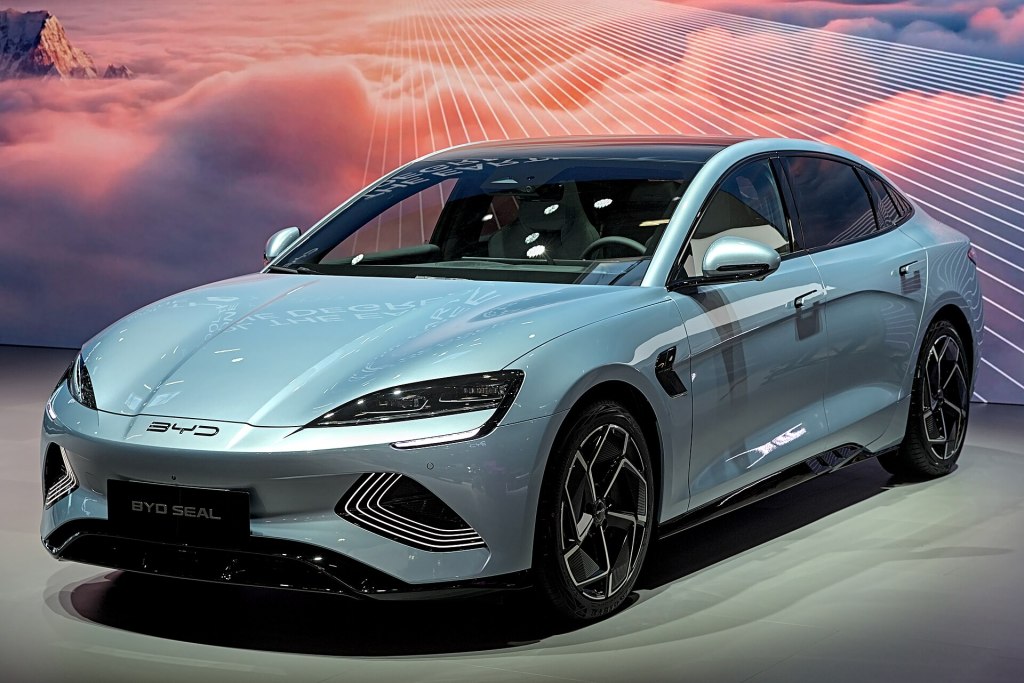
Washington is about to slam the door on Chinese cars for good, and the fine print could decide whether your next Mercedes is still built in Alabama. A bipartisan group of lawmakers wants a ban on the President’s desk before January 2027.
Your first stop for car news: the quick version here, plus a button on every story that takes you straight to the original report.
Industry & Policy
The wall goes up.
Chinese Car Ban
Congress closes in on a Chinese car ban, with a side door for Mercedes
Lawmakers from car-building states are negotiating a bill that would effectively keep Chinese-made cars out of the US, Yahoo Finance reports, citing Bloomberg. Ohio Republican Sen. Bernie Moreno walked automaker representatives through the latest revisions on November 18.
Most carmakers in the room backed it. One did not: Mercedes-Benz raised concerns, and for a good reason.
An earlier version, written by Moreno and Michigan Democrat Sen. Elissa Slotkin, would bar connected-car sales by any automaker more than 15% owned by Chinese entities. It already cleared a Senate committee this year. Mercedes sits at nearly 20% Chinese ownership. State-owned BAIC Group holds 9.98% of the voting rights, and Geely founder Li Shufu holds 9.69% through an investment vehicle.
So under the old wording, one of Germany’s most famous brands could have been treated like a Chinese automaker. The new draft fixes that by exempting passive stakes that carry no voting power. Alabama Sen. Katie Britt says both Mercedes and her state will be protected. Mercedes says it supports 160,000 US jobs, directly and indirectly, with plants in Alabama and South Carolina.
Why it matters to you. Chinese EVs are already priced out of the US by a 100% tariff, and Commerce Department rules ban Chinese-linked connected cars starting with the 2027 model year. That rule has already claimed a victim: Geely-controlled Polestar stopped US sales after it failed to win a waiver. A law would make those barriers much harder for a future administration to undo.
For buyers, that means the cheap Chinese EVs flooding other markets aren’t coming to American showrooms any time soon. The pressure that brings prices down overseas stays out. Think of it as a moat around Detroit: it protects the castle, but everyone inside pays the toll.
Industry groups point to Europe as the warning. Chinese brands took 7.8% of European new-car sales last year, up from 1.7% a decade earlier, according to Omdia data cited by the Alliance for Automotive Innovation. That’s a fourfold jump in ten years.
What happens next: backers are pushing for a vote before the year ends. Watch whether the passive-stake exemption survives, and whether other European brands with Chinese investors ask for the same deal.
15%
Chinese ownership limit in the earlier Senate bill
~20%
Chinese ownership of Mercedes-Benz
100%
US tariff on Chinese-made EVs
7.8%
Chinese brands’ share of European sales last year
Quick take: A ban with a custom-cut exemption for one politically connected plant isn’t a national security policy, it’s a tariff with a press release. If the risk is real, write the rule so it doesn’t need a carve-out. (Opinion.)
Money Moves
Pay cuts, subscriptions and price tags.
Volkswagen
VW asks 120,000 workers to accept a two-year pay freeze
Volkswagen wants to freeze pay for about 120,000 German workers for two years, scrap an extra payment, revisit the 35-hour week and allow longer hours without extra pay. The IG Metall union is opposed, and workers have threatened strikes from January. Talks open Tuesday, November 24, in Emden, one of four German plants that could face closure or a new use. CEO Oliver Blume’s restructuring already includes up to 100,000 job cuts. If strikes hit, German-built VW and Audi models could face delays.
Tesla Cybercab
$29,990
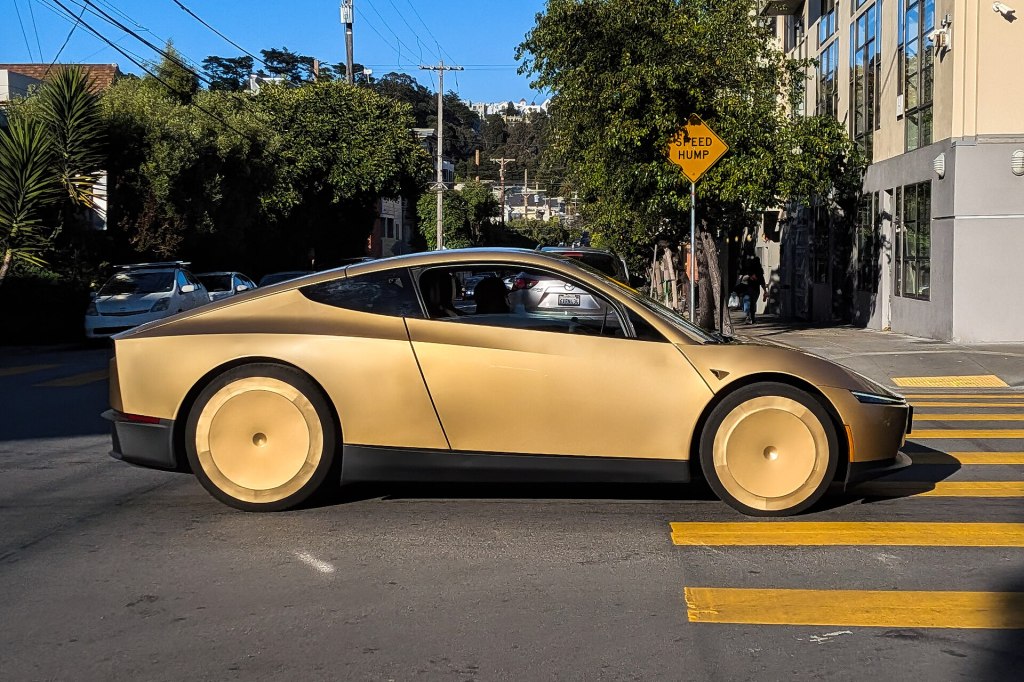
Tesla starts selling Cybercabs, but the subscription is the real price
Tesla is inviting select customers to order the two-seat, steering-wheel-free Cybercab for personal use at $29,990 before taxes, with deliveries estimated for December. The catch: a mandatory $299-a-month Autonomy Subscription, and the car won’t run without it. It only works inside Tesla’s Robotaxi zones in Texas and Florida, and buyers are limited to one each. CBT News estimates the five-year cost at about $47,600 before taxes and maintenance.
New Models & EVs
Cheaper EVs, longer-legged hybrids.
Kia EV3
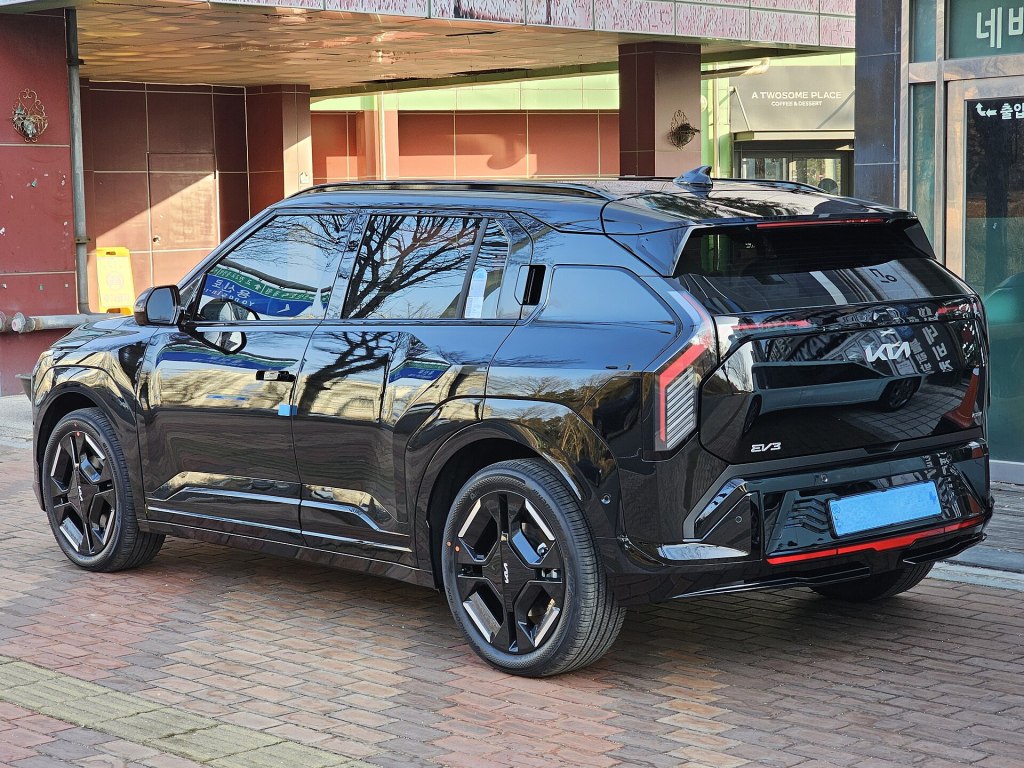
2027 Kia EV3 lands at $29,890, Kia’s cheapest EV yet
The compact EV3 starts at $29,890 for the Light FWD and tops out at $45,890 for the 288-hp GT, which hits 60 mph in about 5.4 seconds. Range peaks at 321 miles (EPA) with the 81.4-kWh pack; the base Light manages about 221. It gets a NACS port, a small front trunk and a 10-year/100,000-mile battery warranty. With no Chinese EVs allowed in, this is about as cheap as a new long-range EV gets in America.
Genesis
Genesis G80 and GV80 hybrids target 500+ miles per tank
Genesis unveiled hybrid versions of its G80 sedan and GV80 SUV ahead of LA Auto Show media day, estimating more than 500 miles of range (final figures pending). A 2.5-liter turbo hybrid with a seven-speed automatic makes 347 hp and 391 lb-ft. No price or launch date yet; for reference, gas 2027 models start at $59,450 (G80) and $58,850 (GV80). Genesis also added six standalone US stores, taking its network to 91.
Your turn
Should the US keep Chinese cars out entirely, even if it means paying more for EVs at home? Tell us in the comments. Tomorrow: Car of the Week & Culture.
Sources
- Yahoo Finance: Congress closes in on Chinese car ban
- CBT News: Volkswagen seeks two-year pay freeze
- CBT News: Tesla offers Cybercabs
- CBT News: 2027 Kia EV3
- CBT News: Genesis new hybrids
Photo credits: BYD Seal (featured), Tesla Cybercab and Kia EV3 GT-Line, all via Wikimedia Commons.


Leave a Reply