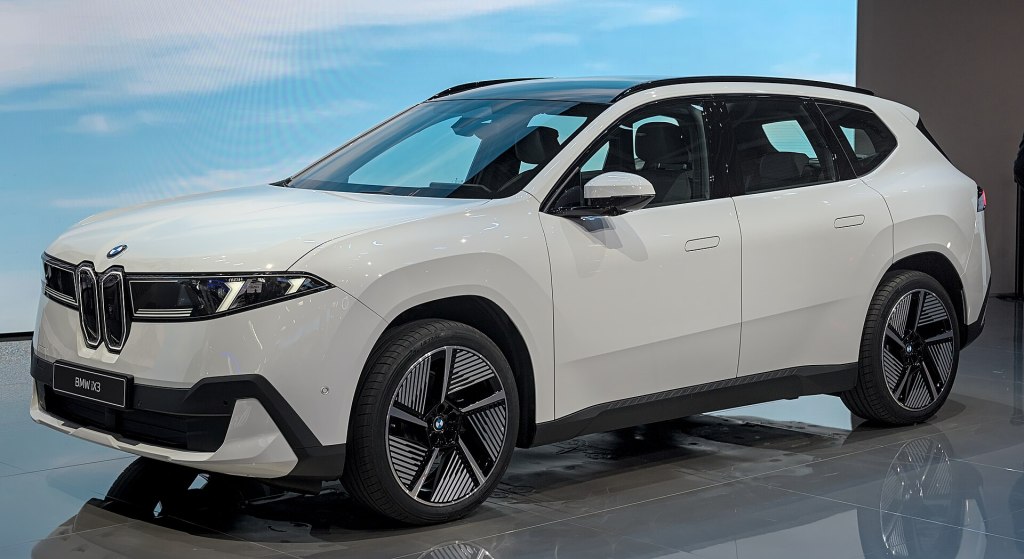
BMW just cut its profit forecast for the second time in under five months, and this time the range dips below zero. The company that spent more than €10 billion betting on its Neue Klasse electric cars now expects its car business to earn somewhere between a 0.5% loss and a 0.5% profit this year. Meanwhile, Ferrari raised its outlook again. Same continent, same tariffs, opposite stories.
Your first stop for car news: the quick version here, plus a button on every story that takes you straight to the original report.
The Big Question
Is BMW’s big EV bet arriving at the worst possible time?
BMW Q3 Earnings
A margin forecast that now includes zero
What happened. BMW’s pre-tax earnings fell 11% in the third quarter to €2.1 billion (about $2.36 billion). Its car division kept just 3.4 cents of every euro of revenue as operating profit, down from 5.2 cents a year ago. That actually beat analysts, who expected 3.1%. The bad news was the full-year outlook: the automotive margin target dropped from 1–3% to a range of minus 0.5% to plus 0.5%. BMW also plans to cut about 8,000 jobs in Germany, with heavy restructuring costs landing in the fourth quarter.
Why. China is the big hole. BMW’s deliveries there fell 25% in the quarter as local brands with cheaper, tech-heavy EVs keep winning buyers. BMW now expects total deliveries to drop “moderately” this year, worse than the slight dip it predicted before. At the same time, it is paying to launch a whole new generation of cars. Neue Klasse production is running in Germany, South Carolina, China and Hungary, with three shifts at the expanded plants.
Think of it like a restaurant renovating its kitchen during a slow season. The bills arrive now. The payoff, if it comes, arrives later.
Who wins and who loses. The losers are easy to name: the roughly 8,000 German workers facing job cuts, and shareholders who have watched the forecast shrink twice. The winners are less obvious. Chinese brands gain from every sale BMW loses in its biggest market. Buyers may also come out ahead. A carmaker that needs volume and has new plants to fill tends to sharpen lease deals, and outgoing models get cheaper as the new ones arrive.
The case for BMW. This is not a company in freefall. It still expects more than €2.5 billion in automotive free cash flow this year, and it beat the quarter’s margin forecast. The medium-term targets are clear: up to 5% margin by 2028 and 8–10% by the start of the next decade. Spending big on new tech at the bottom of the cycle is how BMW built the original Neue Klasse in the 1960s, the sedans that saved the company.
Why it matters to you. If you’re shopping for a BMW, the next 12 months could be a buyer’s market. The new iX3 is the first Neue Klasse car, and BMW needs it to sell in volume. If you already own one, expect the brand to push software and electric models harder than ever. For buyers in Kenya and East Africa, where many BMWs arrive as used imports, today’s price cuts in Europe tend to show up as cheaper used stock a few years later.
What happens next. BMW has promised a broader reorganization by mid-2027. The real test is whether the iX3 and the Neue Klasse cars that follow can win back Chinese buyers, or at least make up for them elsewhere. If they can’t, today’s near-zero margin may not be the bottom.
3.4%
BMW car-division margin in Q3, down from 5.2%
−25%
BMW deliveries in China in the quarter
8,000
Jobs BMW plans to cut in Germany
€7.65B
Ferrari’s raised 2026 revenue target
Quick take: (opinion) BMW isn’t broken, but it is paying the price for selling premium badges to a Chinese market that no longer needs them. The Neue Klasse has to be great, not just good.
Industry
Winners, losers and a waiting game.
Ferrari Earnings
+12%
Ferrari sells fewer cars and makes more money
Ferrari shipped 3,368 cars in the third quarter, 33 fewer than a year ago, yet operating profit rose 12% to €563 million and revenue climbed 7% to €1.896 billion. The secret is personalization: buyers keep paying extra for custom paint, trim and options. Ferrari lifted its 2026 targets again, now aiming for about €7.65 billion in revenue and at least €9.85 in earnings per share. Its order book stretches into 2028, so a new Ferrari ordered today may not arrive for years.
Volvo Sales
Volvo sales drop 16%, but its EVs are up 27%
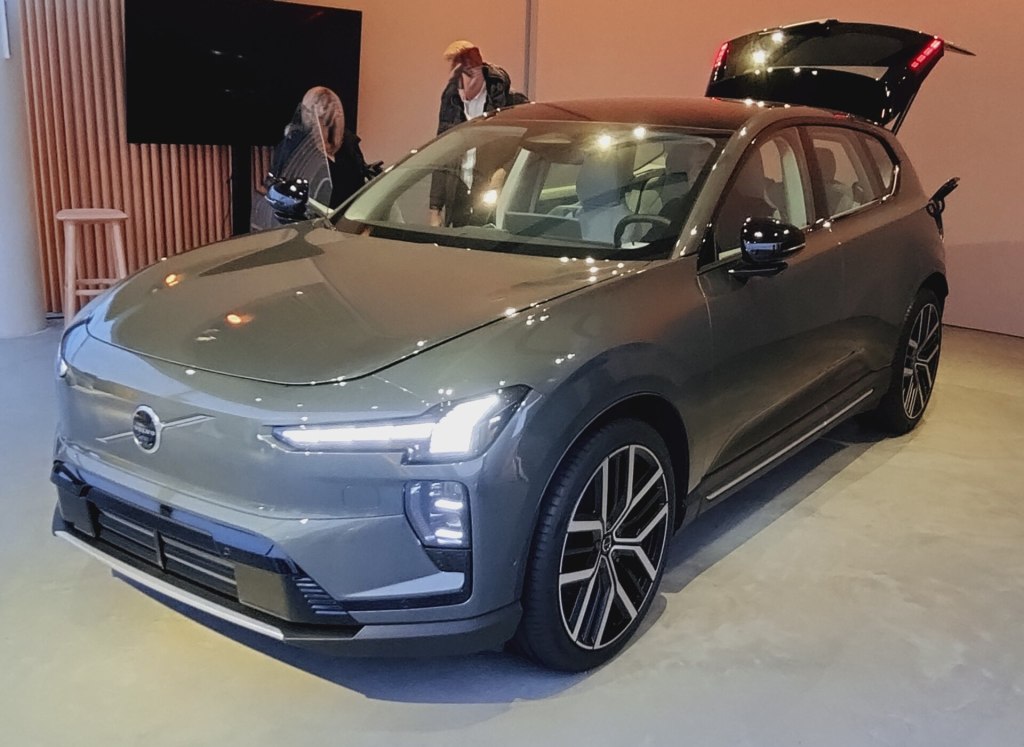
Volvo Cars sold 141,656 cars from August through October, down 16% from 168,967 a year earlier. Weak demand in China and the US and the end of EV and plug-in incentives did the damage. The twist: fully electric sales rose 27% to 48,660 and now make up about a third of the total, while plug-in hybrids fell 30%. The new EX60 has already passed 50,000 orders, which gives Volvo something BMW is still waiting for: a fresh EV people are lining up to buy.
Toyota Preview
Toyota’s profit is tipped to rise for the first time in six quarters
Analysts surveyed by LSEG expect Toyota’s July–September operating profit to jump 18% to about 992 billion yen ($6.3 billion) when it reports on Thursday. A weaker yen, strong hybrid demand and the absence of last year’s tariff hit are doing the lifting. Electrified sales in North America rose more than 30% to nearly 430,000, even as global sales slipped 4% and China fell 22%. For Kenyan buyers who live by Toyota, the hybrid boom is the trend to watch: today’s new hybrids become tomorrow’s affordable imports.
Your turn
Is BMW right to keep spending billions on new EVs while profits vanish, or should it slow down and protect the core business? Tell us in the comments.
Tomorrow is EV & Tech Day: the biggest battery, charging and self-driving story of the week.
Sources
- CBT News: BMW cuts 2026 profit outlook
- CBT News: Ferrari raises its 2026 outlook
- CBT News: Volvo Cars sales fall
- CBT News: Toyota operating income expected to rise
Photo credits: BMW iX3 at IAA 2025 and Volvo EX60, both via Wikimedia Commons.


Leave a Reply