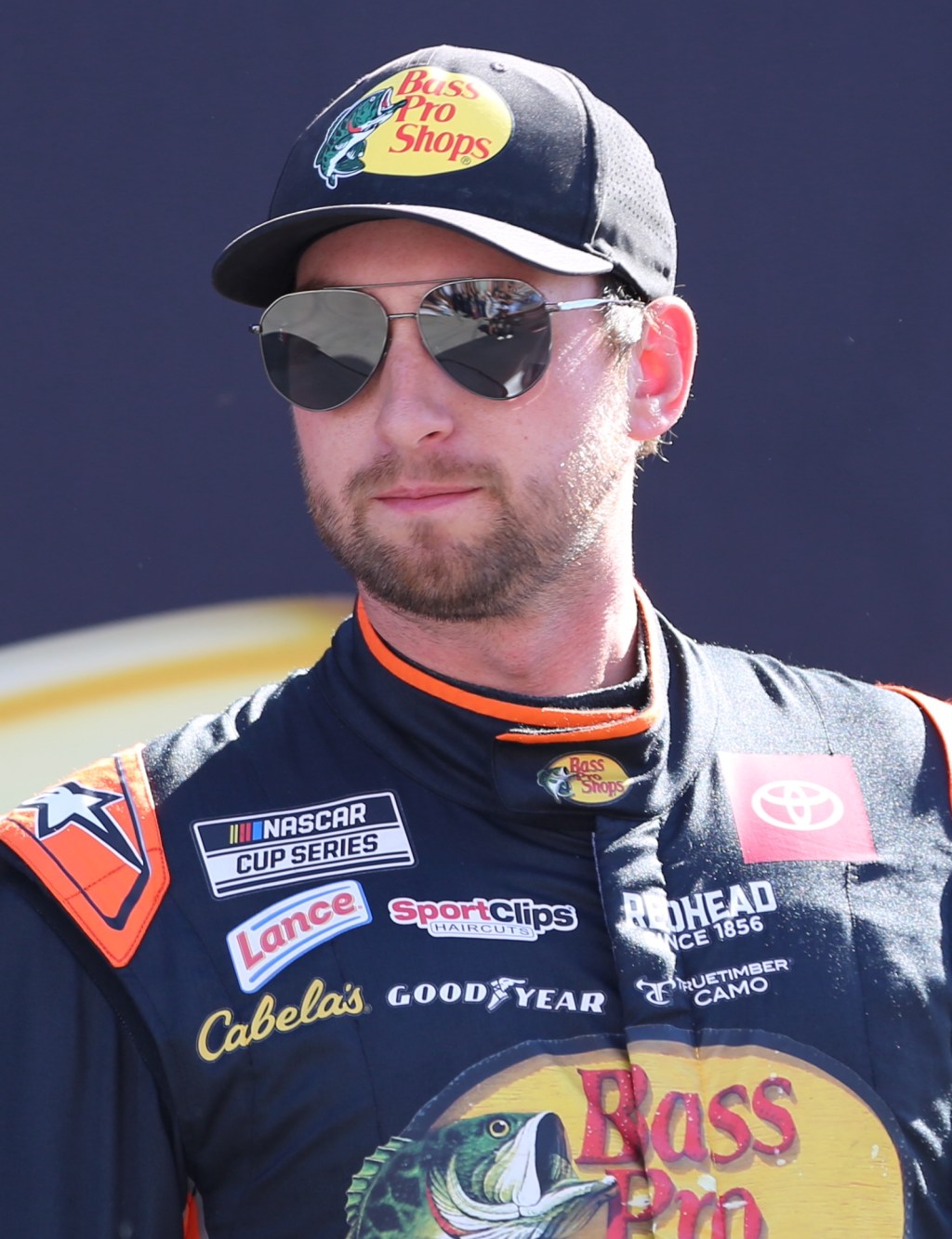
Twenty-nine thousandths of a second. That is all that separated Chase Briscoe from Christopher Bell after 400 miles at Charlotte, with Briscoe’s right rear tire going soft on the final lap. Meanwhile Kimi Antonelli learned exactly what he needs to become F1 champion in Austin, Tesla quietly dropped the word “Full” in Europe, and a blind engineer’s 1950s idea is suddenly back in the headlines.
Your first stop for car news: the quick version here, plus a button on every story that takes you straight to the original report.
Motorsport
A photo finish on a flat tire.
NASCAR Cup · Charlotte
Briscoe beats Bell by 0.029 seconds to win Charlotte again
Chase Briscoe won Sunday’s Bank of America 400 at Charlotte Motor Speedway, holding off his own Joe Gibbs Racing teammate Christopher Bell by 0.029 seconds. It was the second-closest finish in the track’s history, and Briscoe’s second straight Charlotte win.
To put that margin in perspective: a human blink takes roughly a tenth of a second or more. Bell lost by less than a third of one.
The finish was even tenser than it looked. Briscoe said afterwards that his right rear wheel was going down on the last lap. One more corner might have handed Bell the win.
The day started strangely. Rain washed out Saturday’s practice and qualifying, so teams went in nearly blind on setup. Kyle Larson started from pole and looked untouchable early, leading every lap of the opening run and winning Stage 1. He led 96 laps in total, more than anyone, yet finished only sixth.
The chaos came fast. On an early restart, Tyler Reddick moved up the track and boxed in Ty Gibbs, who hit the wall, spun and collected Brad Keselowski. Joey Logano damaged his nose in the pile-up. Five Chase drivers had problems inside the first 42 laps.
Then, three laps from the end of Stage 1, Alex Bowman lost control and hooked Bubba Wallace into the inside wall, with William Byron also caught up. Wallace walked away, but he and Byron finished 37th and 39th. That is a brutal hit in a points-based Chase.
Others survived their own mistakes. Denny Hamlin was sent to the rear for a pit safety violation after a loose tire rolled into another team’s box, then nearly lost the car with 10 laps left. He still finished fifth. Ryan Blaney recovered from a pit-road speeding penalty to finish third.
Why it matters: Charlotte was race six of the 10-race Chase, and Briscoe jumped from eighth to fourth, 65 points behind leader Larson. Hamlin sits 49 back and Bell 51 back. With Phoenix, Talladega, Martinsville and Homestead-Miami left, Larson has a cushion, but Talladega alone can wipe one out. If you are a Toyota fan, both Camrys at the front are a good sign for the finale.
0.029s
Briscoe’s winning margin over Bell
96
Laps Larson led before finishing 6th
102
Antonelli’s F1 points lead over Russell
9 min
BYD Atto 8 flash charge, 10–97%
History Corner
The blind man who taught cars to hold their speed.
Car History
Ralph Teetor, a carsick ride and the first “Auto-Pilot”
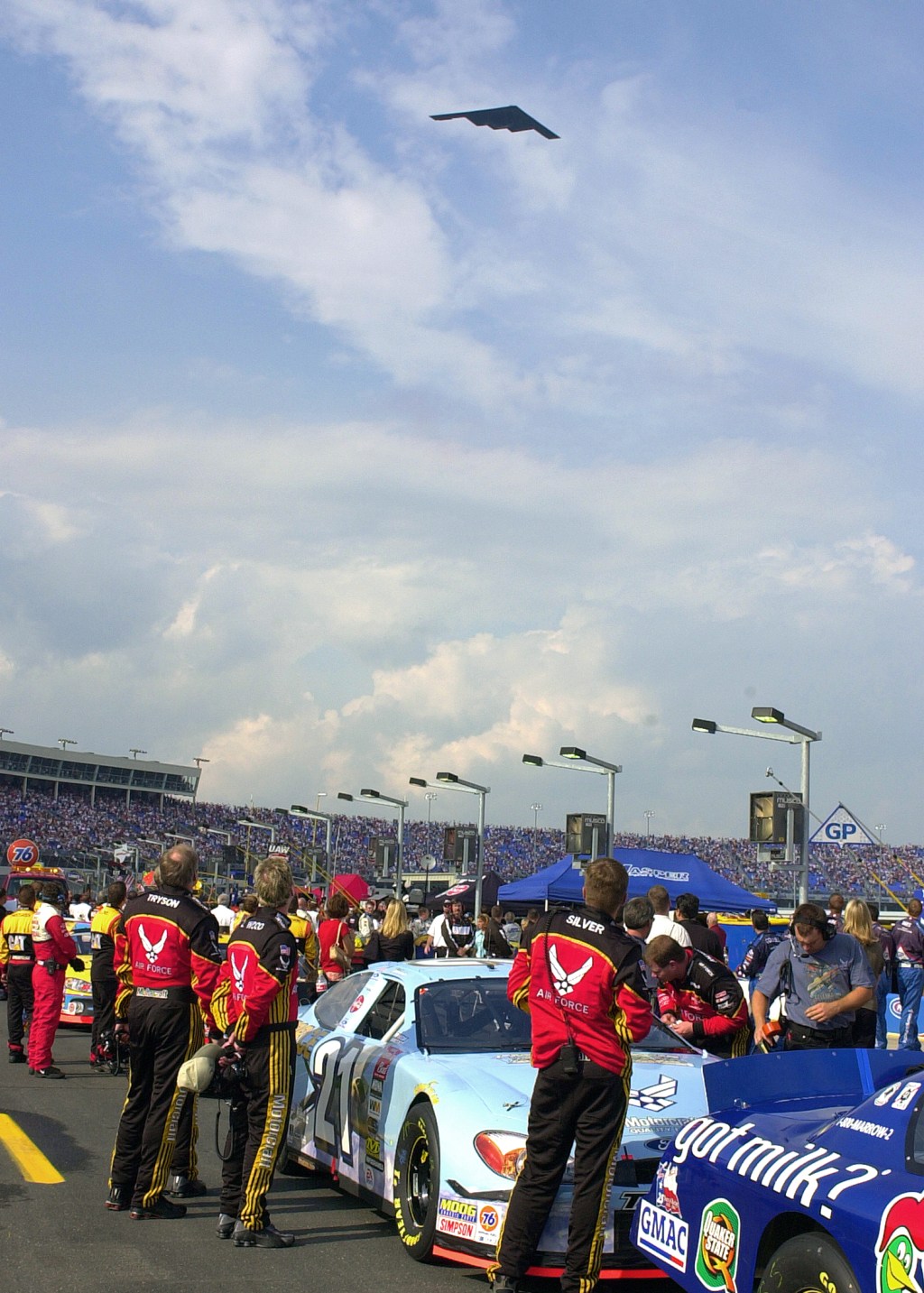
Picture the passenger seat of a car in 1940s Indiana. The driver, a lawyer named Harry Lindsay, is deep in conversation. Every time he talks, he slows down. Every time he listens, he speeds up. His passenger, Ralph Teetor, cannot see the road at all, but he can feel every surge, and it is making him sick.
That passenger went on to invent cruise control. And with Tesla renaming its system in Europe this week (see below), his story is worth hearing again, because the argument over what to call driver-assist tech is nearly 70 years old.
He was blind from childhood. Born in Hagerstown, Indiana, in 1890, Teetor injured an eye in an accident at age five and lost sight in both eyes soon after. His hands became his tools for “seeing” machinery.
He built a car at 12. Around 1902, using an old engine scavenged from his family’s machine shop, the boy built a working automobile of his own.
He fixed warships by touch. During World War I, he helped balance steam turbine rotors for Navy torpedo-boat destroyers, a problem that had stumped sighted engineers. He later ran the piston ring maker Perfect Circle and became president of the Society of Automotive Engineers in 1936.
The name game started on day one. Teetor tried names like “Controlmatic,” “Touchomatic” and “Pressomatic” before settling on “Speedostat,” patented in 1950. When Chrysler first offered it in 1958, it called the option “Auto-Pilot.” It was GM’s Cadillac that marketed it as “Cruise Control,” the name that stuck.
Why it still matters: a device that simply held your speed was sold as an autopilot in 1958. Today regulators are pushing back on names that promise more than the tech delivers. Teetor’s lesson is that what you call a feature shapes how people use it. He was inducted into the Automotive Hall of Fame in 1988, six years after his death, and into the National Inventors Hall of Fame in 2024.
Formula 1
Austin could crown Antonelli.
Title Math
Exactly what Antonelli needs to clinch at the US Grand Prix
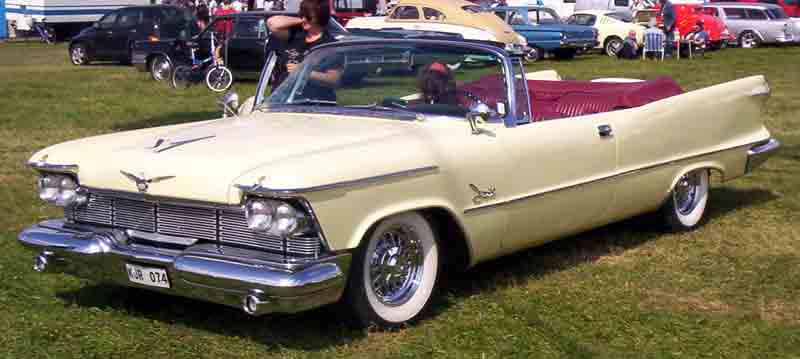
After Singapore, Kimi Antonelli leads Mercedes teammate George Russell 340 to 238, a 102-point gap with six races and 150 points left. He can wrap it up in Austin on October 25, but only if three things happen: he wins, Russell finishes ninth or lower, and Lewis Hamilton finishes fifth or lower. Miss any one, and the party moves to Mexico City a week later. Antonelli’s eight wins to Russell’s three mean he would take any tie-break.
EV & Tech
Words matter. So do minutes.
Tesla
“Full Self-Driving” becomes “Tesla Assisted Driving” in Europe
Tesla has renamed FSD on its websites in Spain, Germany, Sweden, the Netherlands and other European markets, and updated owner’s manuals to match. Regulators in several countries had warned the old name could give drivers false confidence. The Dutch regulator RDW approved the system about six months ago, and seven more EU countries have followed. An EU-wide vote, which needs 15 of 27 member states, has slipped from October to December.
Quick take (opinion): This is the right call. A name that matches what the system actually does is a safety feature, not a marketing loss.
BYD Atto 8
9 minutes
BYD’s three-row EV charges faster than you can finish a coffee
Shown in Paris, the BYD Atto 8 is the brand’s first three-row model for Europe. Its 115 kWh Blade battery goes from 10% to 97% in about nine minutes on a BYD Flash charger, versus 28 minutes for 10–80% in the rival Skoda Peaq. The top dual-motor version makes 764 hp, and the rear-drive model offers up to 405 miles of range. The catch: Flash chargers are rare, though BYD plans 3,000 across Europe by the end of 2027. Sales start in spring 2027.
First Drive
Renault 4 E-Tech: the retro EV that actually fits a family
Carscoops’ review calls the Renault 4 one of the most complete small electric crossovers going. It keeps much of the Renault 5’s fun while adding real rear-seat space. The 52 kWh version makes 148 hp and is rated at 258 miles WLTP, though that drops to roughly 155–186 miles at steady highway speeds. In Greece, prices start at €28,900 for the 40 kWh car. It remains Europe and UK only.
Industry & Policy
Europe draws a line on hybrids.
EU Trade
EU agrees to cap Chinese hybrid imports
The EU has agreed to limit hybrids shipped from China, though member states still need to sign off. Bloomberg reports a 2027 quota of 350,000 cars, rising 6% a year, against roughly 800,000 expected this year; the Financial Times puts next year’s cap at 500,000–700,000. Chinese brands jumped from 2% to 25% of Europe’s plug-in hybrid sales between 2024 and the first half of this year. Cars built by Chinese brands inside Europe, such as at BYD’s Hungary plant, reportedly won’t count, so expect more local factories.
Alfa Romeo
That gorgeous Alfa concept isn’t the next Giulia
Alfa’s Paris show car, the Cuorerosso, won’t be built, CEO Santo Ficili told Quattroruote. Its styling will shape future models instead. The current Giulia and Stelvio carry on until the end of 2027. Next up is a larger C-SUV on Stellantis’ STLA Medium platform in early 2028, replacing the Tonale with hybrid and electric options, followed by a new “Giulietta” that is neither an SUV nor a traditional hatchback.
Your turn
Teetor’s device was sold as “Auto-Pilot” in 1958, and Tesla just dropped “Full Self-Driving” in Europe. Should regulators everywhere ban driver-assist names that suggest the car drives itself? Tell us in the comments.
Tomorrow: New Metal, the most exciting new car reveal or first drive of the day.
Sources
- Yahoo Sports: Chase Briscoe goes back-to-back at Charlotte
- NASCAR.com: Briscoe fights off Bell in photo finish at Charlotte
- Bleacher Report: NASCAR Cup standings after Charlotte
- 99% Invisible: Speed Lock, the blind engineer behind cruise control
- Wikipedia: Ralph Teetor
- Mental Floss: The blind man who invented cruise control
- GrandPrix.com: How Antonelli can clinch the 2026 title in Austin
- Carscoops: Tesla drops “Full Self-Driving” name in Europe
- Carscoops: BYD Atto 8 charging
- Carscoops: Renault 4 E-Tech review
- Carscoops: EU to limit Chinese hybrid imports
- Carscoops: Alfa Romeo’s concept hints at something else
Photo credits: Featured image of Chase Briscoe (Las Vegas, 2025), the 1958 Imperial convertible, and the 2003 Charlotte Motor Speedway flyover (U.S. Air Force photo by Larry McTighe, public domain), all via Wikimedia Commons.


Leave a Reply